

Last Updated: October 23, 2026
Quick Summary
Automotive parts vehicle performance upgrades that genuinely improve utility fall into predictable categories: engine efficiency, suspension capability, braking safety, and tires, each with specific trade-offs and fitment requirements. Choosing the right parts means matching them to your truck's exact year, make, model, and configuration, then verifying compatibility before ordering.
- Leveling kits raise the front 1.5 to 2.5 inches, while true lift kits raise 3 to 6 inches or more for off-road capability.
- Suspension kits are engineered for specific truck generations and configurations; a kit for a 2023 F-250 won't fit a 2020 model.
- Upgrading to larger tires after a lift kit requires upgraded brakes to handle the increased stopping distance and weight.
- Tonneau covers protect cargo from weather and UV damage while improving security and reducing wind drag on highways.
- Towing capacity and payload capacity are separate numbers; adding hitch-mounted accessories reduces payload capacity even when towing capacity remains available.
Table of Contents
- What Automotive Parts Actually Improve Vehicle Utility and Performance
- Engine and Exhaust Components for Power and Efficiency
- Truck Suspension and Leveling Kits: Ground Clearance and Load Capacity
- Braking System and Tire Upgrades for Safety and Handling
- Truck Accessory Fitment by Year, Make, and Model
- Truck Tonneau Covers and Towing Accessories for Utility
- OEM Versus Aftermarket Parts: What Matters for Your Truck
- Truck Army Tech Tip: Verify Fitment Before You Buy
- Frequently Asked Questions
What Automotive Parts Actually Improve Vehicle Utility and Performance
Choosing the right automotive parts vehicle performance upgrades for your truck isn't about looks, it's about matching them to how you actually use the vehicle.
The confusion usually comes from information overload: manufacturers claim everything improves performance, and generic guides treat all trucks the same. What matters is how specific components affect utility, how they interact with your truck's existing systems, and whether they're compatible with your exact year, make, model, and configuration.
Automotive parts vehicle performance upgrades that genuinely improve utility fall into predictable categories, engine efficiency, suspension capability, braking safety, and tires, each with specific trade-offs and fitment requirements.
Engine and Exhaust Components for Power and Efficiency
Engine components and exhaust systems are where many truck owners start, since more power and better efficiency sound universally good. The reality is more nuanced, because changes to one part of the engine system ripple through others.
Air intake modifications, exhaust systems, and engine tuning work together. A performance air intake pulls cooler, denser air into the engine, and aftermarket exhaust systems reduce backpressure so the engine breathes more freely.
Engine modifications often affect emissions systems and fuel economy in ways that vary by truck year and engine type.
Real improvements from engine work typically show up as increased throttle response and power in specific RPM ranges rather than dramatic horsepower gains.
Cat-back exhausts are made for specific trucks and engines. The Borla 60755 S-Type Cat-Back Exhaust System, for example, is listed for the 2025-2026 Ram 1500 RHO 3.0L V6. Browse more in Exhausts & Mufflers.

Truck Suspension and Leveling Kits: Ground Clearance and Load Capacity
Suspension upgrades are where vehicle utility genuinely changes. A leveling kit or lift system isn't cosmetic, it directly affects ground clearance, approach and departure angles, load capacity, and ride quality.
A leveling kit typically raises the front of the truck to match the rear ride height, usually 1.5 to 2.5 inches, improving appearance and allowing slightly larger tires without major suspension geometry changes. Leveling kits are popular for trucks that sit nose-down from the factory and are generally bolt-on installations.
True lift kits replace springs, shocks, or both to raise the entire vehicle 3 to 6 inches or more. A 4-inch lift like the Fabtech K1070 for 2014-2018 Chevrolet Silverado 1500 and GMC Sierra 1500 provides serious ground clearance for off-road driving and accommodates larger tires. The trade-off is a higher center of gravity and altered steering response, so your truck becomes more capable in rough terrain but less composed on the highway.

Load capacity also changes with suspension work.
Suspension kits are engineered for specific generations, engine sizes, and cab styles. A kit for a 2023 Ford F-250 Super Duty won't fit a 2020 model, even though they look similar.
Suspension upgrades serve different purposes and deliver measurable changes to your truck's capability.
| Upgrade Type | Typical Lift Height | Best For | Key Trade-off |
|---|---|---|---|
| Leveling kit | 1.5 to 2.5 inches | Matching front and rear ride height | Minimal suspension geometry change |
| True lift kit | 3 to 6 inches or more | Off-road driving and larger tires | Higher center of gravity, altered steering |
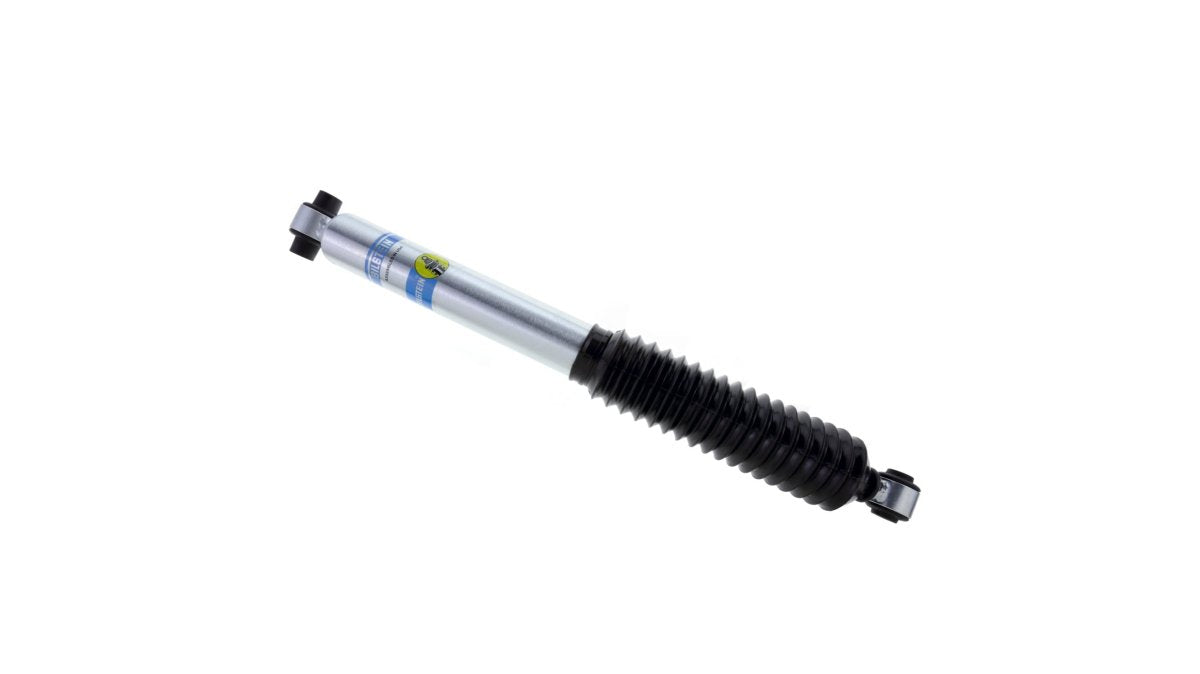
| Upgraded shocks with lift | Varies by kit | Maintaining control under load | Requires verification of new payload limits |
Braking System and Tire Upgrades for Safety and Handling
Braking performance and tires are where automotive parts directly affect safety, not just capability. Explore durability testing and real-world performance considerations for truck upgrades beyond suspension.
When you upgrade to larger tires, which often happens after a lift kit, your braking system has to work harder to stop a heavier vehicle with a larger rolling circumference, and stock components may not be adequate.
Upgraded pads are an easy place to start. The Brembo P86021 PRIME Low-Met Front Disc Brake Pad Set comes with shims and hardware. Check the listing for your vehicle, and browse Brakes for more.

Tire selection affects utility directly. All-terrain tires offer better off-road grip and durability than highway tires but produce more road noise and slightly lower fuel economy.
Tire load and speed ratings must match or exceed your truck's requirements, especially after suspension modifications. Larger tires can affect speedometer accuracy and fuel economy.
Truck Accessory Fitment by Year, Make, and Model
Many truck owners get frustrated ordering parts online that looked compatible but don't fit. Fitment issues stem from subtle differences between model years, trim levels, bed lengths, and configurations that aren't always obvious from product photos.
A tonneau cover designed for a 2019 F-150 SuperCrew with a 5.5-foot bed won't fit a 2019 F-150 SuperCrew with a 6.5-foot bed. Learn how to verify fitment for truck accessories across different vehicle generations and configurations. The difference is just 12 inches, but it's enough to make the cover incompatible.
The solution is verifying fitment before ordering. Reputable parts retailers provide detailed fitment charts showing which model years, generations, cab styles, and bed lengths a product supports. Match your truck's exact configuration to that chart.
Truck Tonneau Covers and Towing Accessories for Utility
Tonneau Covers for Bed Protection and Security
A tonneau cover is one of the most practical truck upgrades because it directly improves utility. Covers protect cargo from weather and UV damage, reduce wind noise and drag on the highway, and improve security by hiding what's in your bed. The trade-off is reduced bed access, since you can't just throw something in the back without opening the cover.
There are three main types: soft roll-up, hard folding, and retractable covers. Soft covers are affordable and lightweight but require manual operation and offer less security. Hard folding covers provide better protection and security, fold out of the way for full bed access, and last longer. Retractable covers offer convenience but cost more and have more moving parts that can require maintenance.
A hard folding cover like the TrailFX HF3 TFX8001 Hard Folding Tonneau Cover for 2021-2026 Ford F-150 is a popular middle ground. See all Bed Covers.

Fitment for tonneau covers is critical because they're engineered for specific bed lengths and truck widths. Verify your exact bed length and truck generation before ordering. Most quality covers come with detailed installation instructions and mounting hardware designed for your specific truck's bed rail system.
Truck Towing Accessories for Hauling and Cargo
Towing accessories extend your truck's hauling capability but require careful attention to your actual towing and payload limits, which vary by engine, transmission, rear axle ratio, and whether your truck has a factory integrated trailer brake controller.
A properly installed hitch receiver rated for your truck's towing capacity is the foundation. Hitch-mounted accessories like cargo carriers or bike racks add weight that counts against your payload capacity. Trailer brake controllers improve stopping power when towing heavier trailers.
Towing capacity and payload capacity are separate numbers, and both matter. A truck rated for 12,000 pounds of towing might have only 1,500 pounds of payload capacity.
Your ball mount needs to match your receiver and trailer, too. The Husky Towing 30001 Ball Mount is a Class III/IV mount for 2-inch receivers. Browse all Towing parts.

OEM Versus Aftermarket Parts: What Matters for Your Truck
The choice between OEM (original equipment manufacturer) parts and aftermarket alternatives comes down to trade-offs.
For critical safety systems like brakes, steering, and suspension, OEM parts or high-quality aftermarket alternatives from established manufacturers are worth the investment.
For aesthetic upgrades and accessories like tonneau covers, running boards, and bed liners, aftermarket options often provide better value without sacrificing functionality.
Warranty coverage differs between OEM and quality aftermarket parts. OEM parts usually carry longer warranties because the manufacturer stands behind them completely.
The real decision factor isn't OEM versus aftermarket, it's quality versus price. Invest in quality for systems that affect safety and handling, and you can save money on accessories without compromising performance.
Truck Army Tech Tip: Verify Fitment Before You Buy
Before ordering any truck accessory or performance part, verify three things: your truck's exact year, generation, and configuration; the product's fitment chart or compatibility list; and whether professional installation is required.
Your truck's year is the starting point, but it's not enough.
Match that exact configuration to the product's fitment information. Reputable manufacturers list compatible model years, generations, cab styles, and bed lengths explicitly.
Finally, understand installation requirements. Some parts are true bolt-on upgrades that take an afternoon with basic tools. Others require professional installation, alignment, or calibration.
Choosing automotive parts that actually improve your truck's utility and performance requires matching specific upgrades to your vehicle's configuration and how you use it.
Frequently Asked Questions
What automotive parts actually improve vehicle utility and performance?
The most impactful automotive parts fall into five categories: suspension (lift kits, shocks), braking (pads, rotors), tires and wheels, engine components (air intake, exhaust), and cargo management (tonneau covers, toolboxes). The right choice depends on your truck's year, make, model, and how you use it, daily driving, towing, hauling, or off-road work. Suspension upgrades improve ground clearance and ride quality; braking upgrades enhance stopping power; and cargo accessories increase utility. Each upgrade should match your vehicle's specifications and your actual use case.
How do I choose aftermarket parts that fit my truck?
Always verify fitment by year, make, model, trim, bed length, and existing configurations before ordering. Many suspension kits, tonneau covers, and towing accessories vary by these details. Check the product listing for your specific vehicle application, and contact the manufacturer if your configuration isn't listed. Never assume that a part fitting a similar truck will fit yours. Truck Army products include detailed fitment information, verify it matches your truck exactly before purchase to avoid returns and installation delays.
Do suspension and leveling kits affect vehicle alignment?
Yes, suspension and leveling kits change your truck's geometry and require a professional wheel alignment afterward. Lift kits alter caster, camber, and toe angles, which affects how your truck tracks on the road and how your tires wear. Many kits include adjustable components to help maintain factory specifications, but alignment is still necessary. After installing a suspension upgrade, schedule an alignment with a shop experienced in lifted trucks to ensure proper handling, tire wear, and safety.
What should I check before installing a tonneau cover?
Verify that the tonneau cover matches your truck's bed length (5.5-foot, 6.5-foot, or 8-foot), year, and cab style (Regular, SuperCab, SuperCrew). Check that your truck's bed rails are in good condition and free of damage. Confirm the cover's mounting system works with your truck's configuration, some require drilling, others bolt to existing points. Review the installation instructions before purchasing. If your truck has a toolbox, spray-in bedliner, or other bed accessories, confirm the tonneau cover is compatible with them.
Are aftermarket truck parts compatible with every trim?
No. Fitment varies significantly by trim level, bed length, cab configuration, and factory options. A suspension kit for a Silverado 1500 Regular Cab may not fit a SuperCrew, and a tonneau cover for a 5.5-foot bed won't fit a 6.5-foot bed. Always verify your truck's exact configuration in the product listing. If you're unsure about your truck's specs, check your window sticker or owner's manual. Mismatched fitment leads to returns, installation problems, and wasted time.
Which truck upgrades are most useful for towing?
For towing, prioritize braking upgrades (larger pads, better rotors), suspension components that handle increased weight, and a properly rated hitch with the right towing accessories. Towing accessories include hitch receivers, ball mounts, safety chains, and brake controllers. Heavier suspension components help your truck maintain stability under load. Always verify your truck's towing capacity before adding weight, and ensure your hitch rating matches your towing needs. A tonneau cover can also reduce wind drag and improve fuel efficiency when towing.
What's the difference between OEM and aftermarket automotive parts?
OEM (Original Equipment Manufacturer) parts are made by your truck's manufacturer and match factory specifications exactly. Aftermarket parts are made by third-party companies and offer alternatives, sometimes at lower cost, sometimes with enhanced performance or features. Aftermarket suspension kits, for example, may offer more ground clearance than OEM components; aftermarket brakes may provide better stopping power. The trade-off is that aftermarket parts require careful fitment verification and may affect warranty coverage. Choose based on your needs, budget, and the manufacturer's reputation.