

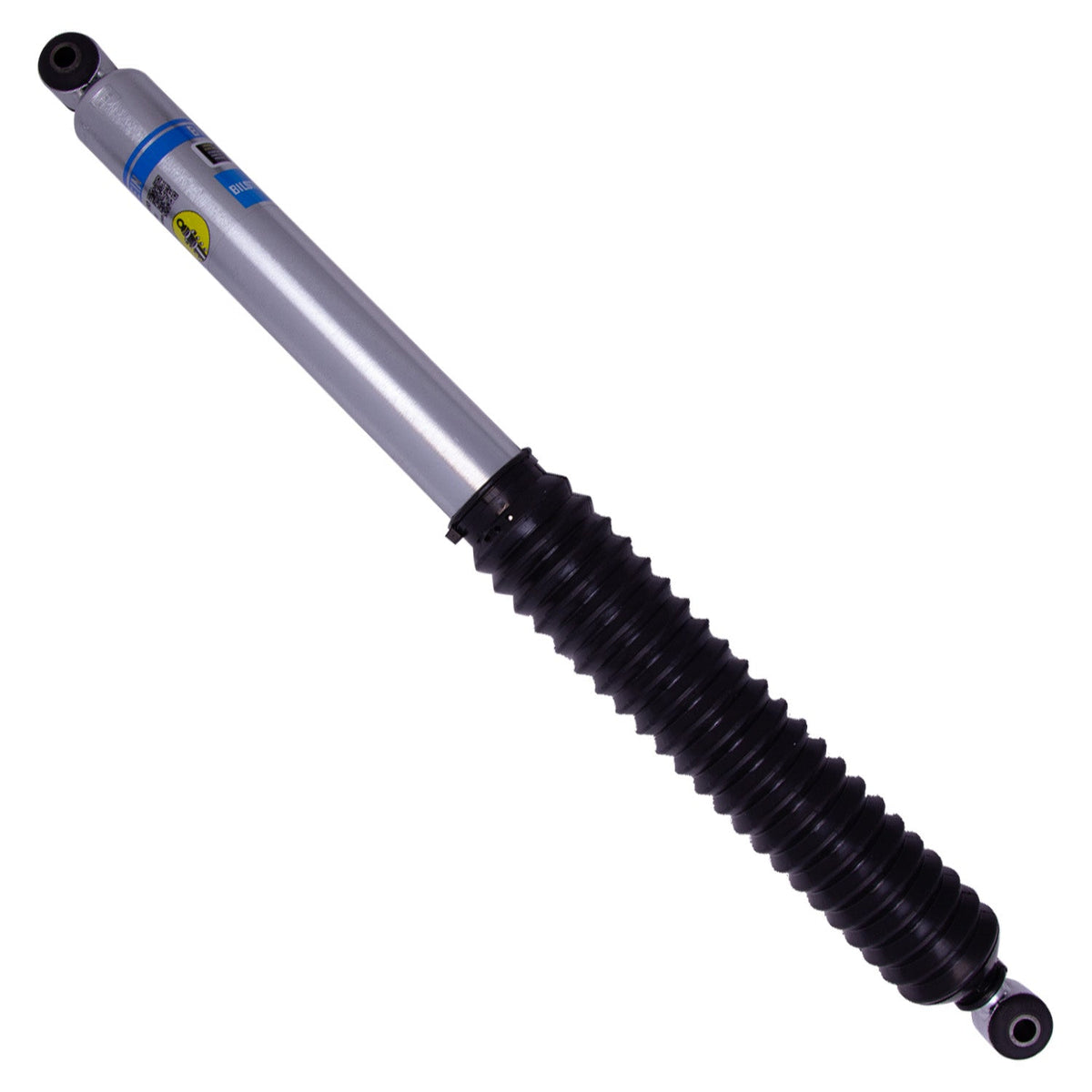
Quick answer: Your shocks are likely worn if the truck keeps bouncing after bumps, the nose dives hard when you brake, the body leans or sways more in turns, a shock is wet with oil, or your tires show cupped (scalloped) wear. Inspect them visually, compare how the truck feels to when it was new, and replace shocks in pairs on the same axle.
What shocks actually do
Your springs (leaf, coil or torsion bars) hold the truck up. Shocks and struts control how fast those springs compress and rebound. When a shock wears out, the springs still hold the weight, but nothing keeps the body and wheels from bouncing. That hurts ride comfort, tire contact with the road, braking and handling, and it gets worse slowly, so many drivers don't notice until they ride on new shocks.
8 signs your shocks are worn
- Bouncing after bumps. The truck keeps moving up and down after a dip or expansion joint instead of settling quickly.
- Nose dive when braking. The front end drops hard under braking.
- Rear squat when accelerating or towing. The back end sinks more than it used to (also check your springs and load).
- More body roll or sway. The truck leans more in corners or wanders in crosswinds and when passing big trucks.
- Fluid on the shock body. A light film near the seal can be normal. A wet, oily shock body or drips mean the seal has failed.
- Cupped or uneven tire wear. Scalloped dips around the tread can come from a tire bouncing on the road. (Alignment and balance cause uneven wear too, so check those as well.)
- Clunks or knocks over bumps. Worn or broken mounts and bushings, or a shock that bottoms out.
- Physical damage. A dented shock body, a bent shaft or a broken mount means replacement.
How to inspect your shocks
- Look: with the truck safely parked, check each shock for oil, dents, a bent or rusty shaft, and cracked or missing bushings at the mounts.
- Drive: on a road you know, note bouncing, nose dive, body roll and how the truck settles after bumps.
- Bounce test (rough check only): push down hard on one corner and let go. If it keeps bouncing more than once or twice, that shock may be weak. On trucks with stiff springs this test is less reliable, so use it with the signs above, not by itself.
- Mileage and use: towing, hauling, off-road driving and rough roads wear shocks faster. If your truck has high mileage and still has its original shocks, have them inspected.
What to replace them with
| If you mostly… | Look at |
|---|---|
| Drive daily and want a better ride than stock | A quality monotube or twin-tube replacement shock for your vehicle |
| Tow or haul often | Monotube shocks with firmer valving, plus towing suspension like helper springs if the rear sags |
| Are leveling or lifting the truck | Shocks made for that lift height, like the Bilstein 5100 with adjustable ride height on many models |
| Go off-road hard | Larger shocks or remote reservoir shocks, like the Bilstein 5160, that handle heat better |
Compare types in monotube vs twin-tube shocks and Bilstein 5100 vs 5160. Shop all shocks and struts or Bilstein, and select your vehicle at the top of the page to see what fits.
Tips when replacing shocks
- Replace shocks in pairs on the same axle so both sides match.
- Replace worn mounts and bushings at the same time.
- If you're also changing ride height, see leveling kit vs lift kit, and check whether you need an alignment afterward.
- Front-end shake on solid-axle trucks and Jeeps can also come from worn steering parts. See death wobble causes and fixes and our steering upgrades.
FAQ
Can I replace just one shock?
It's best to replace both shocks on the same axle. A new shock on one side and a worn one on the other can make the truck handle unevenly.
Is a leaking shock always bad?
A light film of oil near the seal can be normal. If the shock body is wet with oil or dripping, the seal has failed and the shock should be replaced.
Do worn shocks affect braking?
Yes. Worn shocks let the front end dive and the tires bounce, which can reduce tire grip and make the truck less stable when you brake hard.
Are shocks and struts the same thing?
No. A strut is part of the suspension structure and supports the vehicle's weight, while a shock only dampens motion. Both wear out and show the same kinds of symptoms.